Finchley Central N3 rubbish collection guide for homeowners
Posted on 09/06/2026
Finchley Central N3 Rubbish Collection Guide for Homeowners
If you own a home in Finchley Central N3, rubbish has a habit of building up at the worst possible moment. One week it is a few broken boxes and a bag of garden cuttings; the next it is an old sofa, a cleared loft, or the aftermath of a kitchen refresh that somehow produced far more waste than anyone expected. This Finchley Central N3 rubbish collection guide for homeowners is here to make that whole process simpler, safer, and far less stressful.
Whether you are tackling a seasonal clear-out, moving house, dealing with bulky waste, or just trying to keep the place tidy without losing your weekend, the right approach matters. In a busy London area like Finchley Central, where space is precious and kerbside timing can be awkward, a little planning goes a long way. And yes, it can save you money too.
This guide walks you through how home rubbish collection works, what to consider before booking, how to avoid common mistakes, and when specialist help is worth it. If you want a cleaner home without the usual faff, you are in the right place.
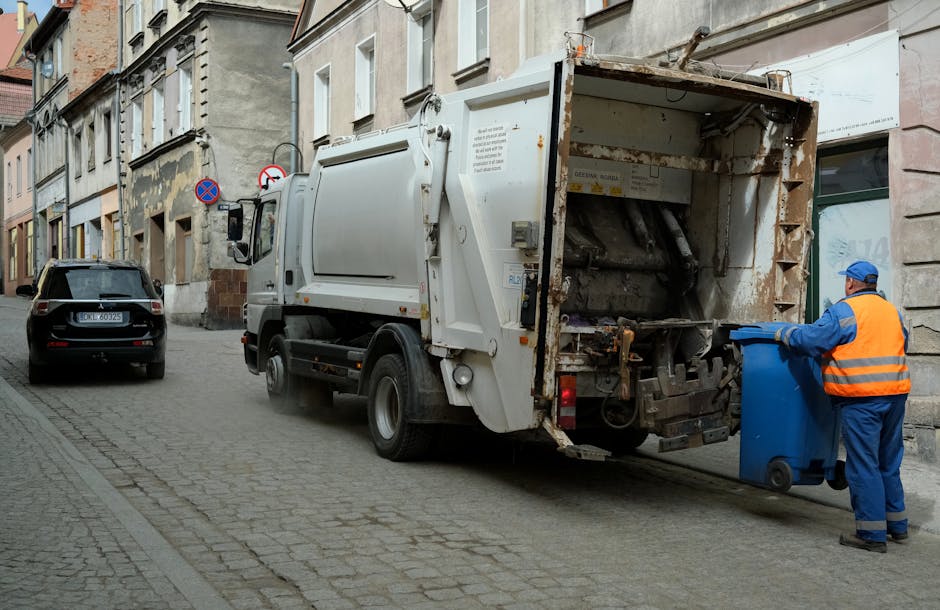
Why Finchley Central N3 rubbish collection guide for homeowners Matters
Homeowners in Finchley Central tend to face a familiar mix of waste challenges: regular household rubbish, packaging from deliveries, garden waste after a tidy-up, and bulky items that do not fit neatly into a bin. Add in the realities of terrace streets, shared access, narrow drives, and busy pavements, and rubbish collection quickly becomes more than a simple housekeeping task.
That is why a proper rubbish collection plan matters. It helps you keep your property safe, uncluttered, and presentable. It also reduces the chance of piles sitting around for days, which nobody wants to look at, smell at, or trip over. Let's face it, rubbish left for "later" has a funny way of becoming tomorrow's problem.
There is also a practical local angle. In Finchley Central, homeowners often need flexible collection for situations that do not fit standard weekly bin routines: spring clear-outs, end-of-tenancy-style moves, decluttering before sale, post-renovation waste, or garden cutbacks after a long wet spell. If you have ever stared at a stack of old timber, paint tins, and broken shelving thinking, "right, now what?", you already know why this guide exists.
Good rubbish collection also supports a cleaner, calmer home environment. That may sound obvious, but it makes a real difference. Spaces feel larger, safer, and easier to manage when waste is removed promptly and responsibly. If you are also thinking about value and presentation, especially before a move or refurbishment, the clean-up stage matters more than people usually admit. For homeowners looking more broadly at property and local context, the reading on Finchley's local character and appeal can be a useful companion piece.
How Finchley Central N3 rubbish collection guide for homeowners Works
At its simplest, home rubbish collection means identifying what needs removing, separating what can be recycled or reused, and choosing the right collection method for the amount and type of waste. The exact process varies, but most homeowners will follow a similar pattern.
First, you sort the waste. That might include general household rubbish, green waste, furniture, appliances, DIY leftovers, cardboard, or mixed junk from a loft, shed, or garage. Some items can go into normal household disposal streams, while others need a more deliberate collection because of size, weight, or handling requirements.
Second, you decide whether the job is small enough for a basic collection or large enough to justify a dedicated waste removal service. This matters because not all rubbish is equal. A few bin bags are one thing. A dismantled wardrobe, a mattress, and a stack of broken tiles are quite another.
Third, you book or arrange the collection and make sure the waste is accessible. In real homes, that can mean moving items from a basement, rear garden, loft, or driveway so the collection team can work safely and efficiently. You do not want to discover at the last minute that the "easy" old cupboard has to come down three narrow flights of stairs.
Finally, the waste is removed, sorted where possible, and taken for appropriate disposal or recovery. If you are using a reputable provider, they should have a clear approach to handling different waste streams and a sensible attitude toward recycling. If you want to understand broader service choices, the services overview can help frame the options, and the company's recycling and sustainability approach shows how waste is typically handled with care.
Key Benefits and Practical Advantages
For homeowners, the benefits of organised rubbish collection are about more than just having an empty bin area. The practical gains stack up quickly.
- More usable space: Clearing junk from garages, lofts, sheds, and spare rooms instantly makes the home feel more functional.
- Less stress: You are not trying to coordinate multiple small trips to disposal points or wondering where to put awkward items.
- Cleaner presentation: A tidy exterior and interior makes a better impression on neighbours, guests, buyers, and surveyors.
- Safer movement around the home: Less clutter means fewer trip hazards, blocked walkways, and pinch points.
- Better recycling outcomes: Proper sorting improves the chance that materials like cardboard, wood, metal, and green waste are handled appropriately.
- Time saved: Probably the biggest one, truth be told. A booked collection often saves an entire day of hauling, loading, and waiting around.
There is also a subtle emotional benefit. When clutter goes, the house tends to feel calmer. You notice it in the hallway first, then the kitchen, then in that one back room everyone avoids. Strange, but true.
If you are managing a larger domestic clean-up, it may also be useful to compare collection with broader clearance support. Some homeowners find house clearance support in Finchley more suitable for major decluttering, while others prefer a simpler rubbish collection service for targeted removal. The right option depends on scale, urgency, and how much sorting you are willing to do yourself.
Who This Is For and When It Makes Sense
This guide is especially useful for homeowners who are dealing with one of the following situations:
- a kitchen, bathroom, or loft refresh
- old furniture that is too bulky for normal disposal
- garden waste after pruning, digging, or landscaping
- garage or shed clear-outs
- moving house or preparing a home for sale
- renovation debris from light domestic works
- years of "we'll deal with that later" clutter that finally needs sorting
It also makes sense if you value convenience and want a predictable, professional way to remove waste without handling the whole process yourself. That is often the case for busy families, older homeowners, landlords managing a property between tenancies, or anyone juggling work and home responsibilities. If your Saturday is already packed, spending it loading a van full of broken furniture is rarely the dream.
There are times when a collection service is a smart choice even for relatively small amounts. For example, if you are clearing a room before a new baby arrives, or if a garden project has left behind sharp offcuts and soil bags, a quick collection can be simpler and safer than trying to store waste until bin day. If your waste is mostly outdoor material, you may also want to look at garden waste removal in Finchley as a more tailored option.
Step-by-Step Guidance
If you want a process that feels manageable rather than chaotic, use this step-by-step approach.
- Identify the waste type. Separate general rubbish, recyclable materials, garden waste, furniture, electrical items, and DIY debris.
- Estimate the volume. Think in practical terms: a few bags, a roomful of clutter, or a larger clear-out that would fill a van. No need to be exact, just honest.
- Check for problem items. Some materials need special handling or extra care, especially anything sharp, heavy, or potentially hazardous.
- Clear access routes. Move cars, unlock gates, and make sure the waste can be reached safely. This sounds obvious, but people forget it all the time.
- Decide on the right service level. A standard collection may be enough for mixed household junk, while larger jobs might need a bigger waste removal service.
- Prepare the waste neatly. Group similar items together if you can. It helps speed things up and reduces confusion.
- Ask about responsible disposal. A good provider should be able to explain how different materials are handled.
- Review the result. After collection, check that the area is left tidy and that nothing important has been removed by mistake. You would be surprised how often an "old box" contains something worth keeping.
A small but useful tip: do not leave the sorting until collection day. The last-minute scramble is where things get messy, and not in the fun way. A little preparation usually means a much smoother visit.
Expert Tips for Better Results
Over time, homeowners tend to learn the same lessons the hard way. To save you some hassle, here are the practical tips that make a real difference.
- Keep bulky items together. If you scatter furniture pieces around the property, you make the collection slower and more awkward.
- Separate recyclables where possible. Cardboard, clean timber, metal, and green waste are often easier to handle when grouped sensibly.
- Be careful with mixed bags. One bag of mixed junk is fine; ten mystery bags are a headache for everyone.
- Protect floors and walls on the way out. This matters in older homes, narrow hallways, and freshly decorated rooms.
- Plan around parking and access. In Finchley Central, access can be the biggest hidden issue, especially on busier residential streets.
- Think ahead about reuse. Not everything needs to be disposed of. Some items can be donated, sold, or passed on if they are in decent condition.
One more thing: if the waste comes from a refurbishment, keep builders' debris separate from normal household rubbish where possible. That can make disposal simpler and reduce the chances of a collection turning into a sorting puzzle. For homeowners doing larger home works, the dedicated builders' waste disposal service may be the more sensible fit.
Practical summary: the smoother a rubbish collection feels, the more it usually comes down to preparation, access, and choosing the right type of service. That is the unglamorous truth, but it works.

Common Mistakes to Avoid
Most rubbish collection problems are preventable. The biggest mistakes are rarely dramatic; they are just small oversights that snowball.
- Underestimating the amount of waste: A pile that looks small in the corner may be much larger once it is loaded.
- Leaving sorting until the last minute: This creates confusion and can slow the collection down.
- Blocking access: Cars, bins, garden furniture, and locked gates can all get in the way.
- Mixing unusual items with normal rubbish: Some materials need extra care, so do not assume everything goes together.
- Forgetting about safety: Broken glass, nails, splintered wood, and heavy objects can cause injuries if handled carelessly.
- Choosing on price alone: The cheapest option is not always the cleanest, safest, or most suitable one.
Another common issue is assuming every collection works the same way. It does not. Some jobs are quick and straightforward; others need a bit more planning and a team that knows what they are dealing with. If a provider seems vague about what they will take, how they handle recycling, or how they approach access, that is worth noticing.
And yes, one more tiny oversight that catches people out: forgetting to check what actually needs removing before booking. It sounds silly until you are halfway through a clear-out and realise the "old clutter" includes items you wanted to keep. Happens more often than you think.
Tools, Resources and Recommendations
You do not need a full kit to manage rubbish collection well, but a few simple tools make the process easier.
- Heavy-duty sacks or rubble bags: Useful for mixed household waste, garden debris, and smaller DIY leftovers.
- Gloves: Basic protection is worth it, especially with sharp or dusty items.
- Dust sheets or cardboard: Handy for protecting floors while carrying items through the house.
- Marker pens and tape: Great for labelling boxes you want to keep separate from waste.
- Trolley or sack truck: A lifesaver for heavier items, assuming the route allows it.
On the planning side, it helps to know where a job sits within the wider service picture. Homeowners often start with a general waste removal option and only move to more specific services if the job is unusually large or specialised. If you are comparing how services are explained and structured, the pricing and quotes information can help you understand how scope tends to affect the final arrangement.
For trust and reassurance, it is also sensible to read about safety procedures and how a provider treats customer property. The page on insurance and safety is especially useful if you want to know how responsible handling is approached. That kind of detail is not flashy, but it matters when people are moving heavy things through tight spaces.
Law, Compliance, Standards, or Best Practice
When you arrange rubbish collection as a homeowner, the main concern is not memorising legislation line by line. It is more about following sensible UK waste-handling best practice and avoiding anything that could cause problems later.
In plain English, that means you should make sure your waste is handed to a legitimate collection operator, keep hazardous or awkward items flagged clearly, and avoid leaving rubbish in a way that creates a nuisance, obstruction, or safety issue. Reputable providers should be able to explain what happens to the waste after collection and should handle it in line with accepted environmental and operational standards.
It is also worth remembering that homeowners remain responsible for how waste is dealt with at source. If you hand rubbish to someone who is not properly managing it, that can become your headache too. So, if something feels off, it probably is. Ask questions. A trustworthy company will not mind.
Best practice also includes separating recyclable materials where practical, storing waste safely before collection, and keeping access clear for the crew. If your project involves more sensitive paperwork, house contents, or privacy-related materials, be especially careful. For broader company policies and trust pages, you can also review the site's privacy policy, terms and conditions, and about us information.
Options, Methods, or Comparison Table
Homeowners in Finchley Central usually choose between a few different ways to clear waste. The best option depends on volume, convenience, and how much work you want to do yourself.
| Option | Best for | Pros | Watch-outs |
|---|---|---|---|
| Regular household bins | Small everyday rubbish | Simple, familiar, no extra arrangement | Not suitable for bulky, heavy, or excess waste |
| Self-loading and transport | Very small clear-outs | Potentially low direct cost | Time-consuming, physically demanding, parking and disposal hassles |
| Dedicated rubbish collection | Mixed domestic waste, bulky items, quick clear-ups | Convenient, faster, less lifting for the homeowner | Needs scheduling and clear access |
| House clearance service | Large declutters, probate-style clear-outs, moving house | More comprehensive, useful for full-property jobs | May be more than you need for a small task |
| Specialist builders' or garden waste service | Renovation debris or outdoor cuttings | Better suited to specific waste streams | Not ideal if your waste is a general mixed load |
If you are unsure which route to take, start by thinking about the waste itself. Is it a few bags, or is it a roomful of items? Is it mostly garden material, or a jumble of household clutter? That simple distinction usually points you in the right direction.
Case Study or Real-World Example
A typical Finchley Central scenario goes like this. A homeowner decides to refresh a spare room that has quietly become storage for broken lamps, old shelving, duplicate chairs, cardboard boxes, and a dismantled cot. The room itself looks manageable at first glance. Then the door is opened properly and, well, the picture changes.
They start by sorting everything into keep, donate, recycle, and remove piles. The cardboard and packaging go one way. The usable items are set aside. The damaged furniture and mixed waste are grouped neatly near the front drive rather than scattered through the house. One awkward piece is left until the end because it needs two people to carry it safely. Sensible, really.
On collection day, access is clear, the job runs faster, and the homeowner avoids dragging bits of junk through the property at the last minute. The room is transformed by lunchtime and, more importantly, it stays that way because the sorting decisions were made before the waste left the house.
That is the real lesson here. A good collection is not just about removal; it is about making the home easier to live in afterwards. The difference is noticeable the moment you walk back into the room and hear nothing but the usual quiet. No scraping, no clutter, no "we should deal with that soon" pile staring at you from the corner.
Practical Checklist
Use this checklist before booking or arranging collection.
- Have I identified exactly what needs removing?
- Do I know whether the waste is general, bulky, garden-related, or renovation-related?
- Have I separated anything I want to keep, donate, or recycle?
- Is the waste easy to access from the property entrance or collection point?
- Are there any sharp, heavy, or awkward items that need extra care?
- Have I cleared parking, gates, paths, and hallways where needed?
- Do I know whether this is a small rubbish collection or a larger clearance job?
- Have I checked the provider's approach to safety, handling, and responsible disposal?
- Is there anything in the load that should be treated separately?
- Am I ready for the job to be completed quickly if everything is prepared well?
Simple checklist, yes. But it saves a lot of head-scratching.
Conclusion
For Finchley Central N3 homeowners, rubbish collection is one of those practical jobs that feels minor until it suddenly becomes urgent. A bit of clutter turns into a bigger problem, a small clear-out becomes a bigger weekend, and the household waste situation starts taking up too much mental space. The good news is that with the right plan, it does not have to be messy or time-consuming.
The key is to match the collection method to the waste you actually have, prepare the space properly, and choose a service that handles removal sensibly and responsibly. Do that, and the whole process becomes easier, cleaner, and far less stressful than most people expect.
If you are planning a clear-out soon, take ten minutes to sort the waste properly before you do anything else. It is a small step, but it changes everything.
Get a free quote today and see how much you can save.

 Tipper Van - Rubbish Removal and Garden Junk Disposal Prices in Fincley, N2
 Luton Van - Rubbish Removal and Garden Junk Disposal Prices in Fincley, N2