What to know about access delays for Finchley rubbish jobs
Posted on 08/10/2026
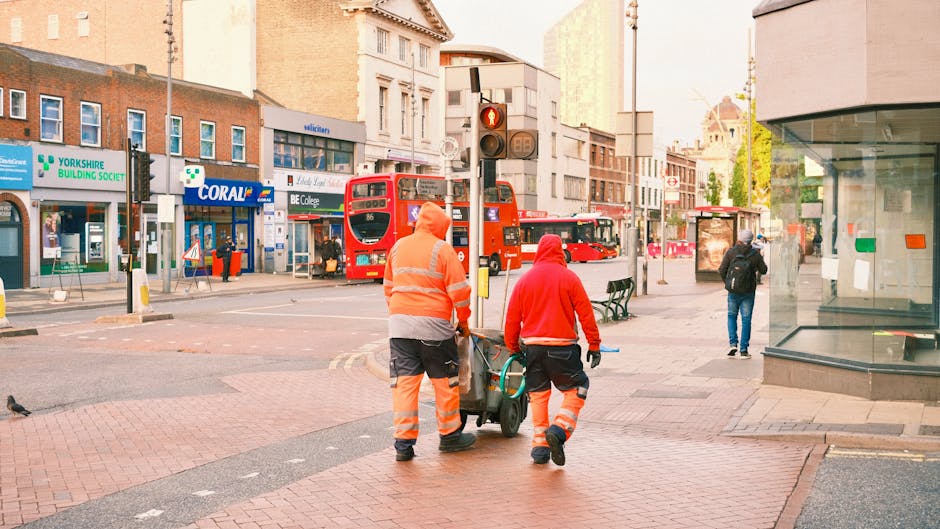
If you are planning a rubbish clearance in Finchley, access is one of those details that can quietly make or break the day. A job that looks straightforward on paper can slow down fast if the waste is up three flights of stairs, the parking bay is blocked, or the front gate is too narrow for the team to get the right kit through. That is really what people mean when they ask about What to know about access delays for Finchley rubbish jobs: what causes them, how they affect timings, and how to avoid the awkward last-minute shuffle.
Truth be told, most delays are not dramatic. They are small, everyday things: a key not ready, a lift out of service, a neighbour's car in the way, or a job booked for rush hour on a busy Finchley street. But when they stack up, they can add cost, stress, and a fair bit of faffing about. This guide breaks it all down in plain English, with practical advice you can actually use.
Whether you are clearing a flat, a shop, a garden, or a site with building waste, the goal is the same: make access easier, keep the work moving, and avoid surprises. And yes, there is a bit of common sense involved. A little preparation goes a long way.
Why What to know about access delays for Finchley rubbish jobs Matters
Access sounds simple until you are standing at the bottom of a narrow stairwell with a mattress, a broken wardrobe, and a van parked two doors away. In Finchley, that kind of access issue matters because many homes and businesses sit on streets where parking is limited, loading space is tight, and there is often a mix of flats, older houses, shops, and side entrances that are not especially waste-team friendly.
When access is poor, a rubbish job can take longer, require more labour, or need a different vehicle setup altogether. That may affect the quote, the schedule, or both. It can also change how the crew works on the day. For example, a collection from a ground-floor driveway is very different from a clearance from a top-floor flat with no lift. Same waste, different reality.
And this is not just about speed. Delays can create knock-on effects. If a team arrives and cannot unload safely, they may need to wait for parking, ask for a neighbour to move a car, or split the job into smaller runs. Nobody enjoys that. Not the customer, not the crew, not the driver trying to reverse down a cramped road in a hurry.
There is also a customer-experience angle. Good access planning makes the process feel calm and organised. Poor access planning makes it feel messy, even if the actual clearance is routine. That difference matters more than people think.
How What to know about access delays for Finchley rubbish jobs Works
Most rubbish collection teams plan access in layers. First they check the basic route in: where the vehicle can stop, how far the items must be carried, whether there are stairs, and whether large or heavy items can be moved safely without dismantling. Then they consider timing, because access at 8 a.m. is often very different from access at 4 p.m. on a busy weekday.
In practice, a delay usually happens when one of those layers changes on the day. Perhaps the parking space is gone. Perhaps the key safe code was not sent. Perhaps the job was described as "easy access" but turns out to involve a long walk through a rear alley and a tight fire door. Small mismatch, big slow-down.
Here is the usual flow:
- The customer explains the property type and waste volume.
- The team estimates carrying distance, vehicle access, and lifting difficulty.
- A booking is set for a time that suits the route and loading conditions.
- On arrival, the crew checks the actual access conditions.
- If things match the description, the job moves quickly. If not, the crew adapts or flags a delay.
The important part is that access is not just a nice-to-have detail. It is part of the job itself. In our experience, the most efficient jobs are the ones where the person booking is a bit over-specific. "Second-floor flat, no lift, stairwell is narrow, parking is usually available after 10:30, and the gate code will be sent in advance." That sort of detail saves time later. Simple, really.
Delays can also happen because of local conditions in Finchley: school runs, market traffic, resident parking rules, shared access roads, and the occasional van-blocking moment that seems to happen precisely when you do not need it. London life, eh.
Key Benefits and Practical Advantages
Getting access right is not just about avoiding problems. It creates real advantages that you can feel on the day.
- Faster completion: Less waiting means the crew can focus on lifting, loading, and clearing.
- Better value: Efficient access can reduce unnecessary labour time and keep the job closer to the original estimate.
- Less disruption: Neighbours, staff, or customers are affected for less time when the route is clear.
- Safer handling: Fewer awkward carries and fewer last-minute scrambles reduce the chance of accidents.
- More accurate quotes: Clear access information helps the company price the job properly from the start.
There is a quieter benefit too: peace of mind. If you already know the team can park, enter, and load without drama, the whole thing feels less like a problem and more like a task being ticked off. That can be a relief, especially if you are clearing a property under time pressure.
For landlords, managing agents, and small businesses in particular, access planning can also prevent complaints. A hallway blocked too long or a lorry idling in the wrong place can be enough to annoy tenants or neighbours. Keep it tidy and tidy-ish, and everyone breathes easier.
Who This Is For and When It Makes Sense
This guidance is useful for anyone arranging waste clearance in Finchley, but some people will feel the benefit more than others.
- Homeowners: Especially if you live in a terrace, flat, maisonette, or a property with awkward parking.
- Landlords: Useful between tenancies when access arrangements are often rushed.
- Estate agents and letting agents: Helpful for end-of-tenancy clearances and pre-sale tidy-ups.
- Shop owners and office managers: Important when rubbish must be removed outside trading hours or through shared access.
- Builders and tradespeople: Critical for jobs with rubble, timber, mixed debris, or restricted loading zones.
It makes sense whenever the waste is not sitting on a driveway ready to go. If the job involves stairs, basements, rear access, coded gates, loading restrictions, or shared hallways, you should think about access before booking, not after. That is especially true for builders waste disposal in Finchley, where materials are often heavy, dusty, and awkward to move.
There is no shame in asking how the crew will handle a tricky site. Quite the opposite. Good customers ask good questions. It saves everyone a headache.
Step-by-Step Guidance
If you want to reduce access delays, a simple process works best. No drama, no jargon, just a decent plan.
- Describe the property clearly. Tell the company whether it is a house, flat, shop, office, or shared building. Mention floors, lifts, stair widths if they are tight, and whether there is rear access.
- Be honest about parking. If parking is limited or permit-only, say so. If a bay usually opens up at a certain time, note that too.
- Explain the waste type. A few bin bags are one thing. Heavy furniture, wet carpet, soil, rubble, or mixed builders waste is another.
- Tell them about access features. Gates, keypads, entry phones, security desks, narrow corridors, lifts, loading docks, or timed access windows all matter.
- Prepare keys, codes, and permissions. If someone needs to meet the crew or unlock a side entrance, organise that early.
- Clear the route where possible. Move small items, open doors, and make space along the carry path.
- Keep your phone handy. On the day, a quick call can fix a lot. A missing gate code should not become a twenty-minute mystery.
One of the simplest wins is to walk the route yourself before the booking. Start at the waste pile and trace the path to the vehicle. Count steps, notice bottlenecks, and look for anything that would make carrying awkward. You will notice little things straight away: a bike in the hallway, a self-closing fire door, a low ceiling, a step outside the back gate. That kind of detail matters.
If the job is time-sensitive, consider sending photos. They help the team judge access more accurately than words alone. A narrow picture of the side alley, a shot of the stairwell, and one of the waste pile can tell a much clearer story than a quick phone note.
Expert Tips for Better Results
Here are the tips that tend to make the biggest difference in real jobs, not just in theory.
Give exact access details, not just "easy enough"
"Easy access" means very different things to different people. To a customer, it might mean no lift but only one short staircase. To a clearance crew, it might mean a clear driveway and a straight run to the van. Say what is actually there.
Book with traffic and loading in mind
Finchley can feel calm one minute and tightly packed the next, especially around busier roads and school times. If you can choose a window that avoids peak congestion, do it. Even half an hour can change the day.
Move the small stuff first
If you can safely relocate loose clutter, it creates a clearer loading route. A box of random bits left in the hallway sounds harmless. It rarely is.
Check lift reliability before the crew arrives
For flat clearances, a lift being out of service changes the whole job. If there is any doubt, tell the company early. They may need extra labour or a different time slot.
Ask about waiting-time expectations
This is a fair question. If access depends on a concierge, a permit bay, or a keyholder arriving, ask how long the team can reasonably wait. That avoids awkwardness later.
Expert summary: The best way to reduce access delays is to treat access as part of the booking, not a detail to be sorted later. If the route, parking, and entry points are clear, the job usually feels much smoother from the first minute.
And one small but useful point: if the waste is inside a building, tell the team whether they will need protective covering or whether there are shared surfaces to keep clean. Nobody wants muddy footprints through a communal hallway. Nobody.

Common Mistakes to Avoid
Most access problems come from a few repeat mistakes. The good news is they are easy to avoid once you know what to watch for.
- Assuming parking will work itself out: It usually does not. If the road is tight, plan it properly.
- Underestimating the carrying distance: Ten metres feels short until it is 15 bin bags and a heavy wardrobe.
- Forgetting about internal obstacles: Narrow hallways, stairs, low ceilings, fire doors, and split-level layouts all slow things down.
- Not mentioning access controls: Keypads, intercoms, concierge desks, and security checks can be a big deal.
- Leaving the waste spread out: A single pile is easier to lift and load than items scattered across three rooms.
- Booking too close to another commitment: If the job runs late, your next appointment may not thank you for it.
A classic one is the "it should only take five minutes" assumption. Sometimes it does. Sometimes the fastest part of the day is the phone call saying the access details were a bit optimistic. A little honesty up front saves that moment.
Another mistake is ignoring shared access issues. In flats and mixed-use buildings, the route is not just your route. It is someone else's corridor too, and that means care matters.
Tools, Resources and Recommendations
You do not need specialist equipment to think clearly about access, but a few simple tools help a lot.
- Phone photos: The quickest way to show parking, gates, staircases, and the waste pile.
- A rough floor plan: Even a hand-drawn sketch can clarify the route from room to vehicle.
- Measuring tape: Handy if you are unsure whether a sofa, wardrobe, or appliance will fit through a doorway.
- Calendar or scheduling app: Useful if access depends on someone else being present.
- Notes on parking restrictions: Especially if the road has loading limits or resident-only bays.
If you are comparing services, it helps to look at the broader support a company offers, not just the headline price. A clear services overview can help you see whether the team regularly handles the sort of access your job needs. And if you are still unsure about value, the page on pricing and quotes is useful for understanding what should be included before you commit.
For households that are clearing mixed waste after a bit of tidying or gardening, you may also find the garden waste removal Finchley page helpful, because outside access issues often look very different from indoor ones. Mud, side paths, locked gates, it all adds up.
If your priority is simply understanding the company before booking, the about us page can be useful too. It gives context, which is often what people want before letting a team into a property. Fair enough.
Law, Compliance, Standards, or Best Practice
Access delays are mostly practical, but there is a compliance side as well. In the UK, waste should be handled responsibly, and clearance work should be carried out safely for workers, residents, and the public. That means the crew should not block emergency routes, create hazards in shared spaces, or force risky lifting just to save a few minutes.
From a best-practice point of view, the company should:
- plan safe lifting and carrying routes,
- avoid damaging communal areas,
- take reasonable care around vehicles and pedestrians,
- be clear about any access limitations that affect the quote or timing,
- treat property access, security, and privacy with respect.
If a job involves building waste, heavier loads, or mixed materials, the safety expectations become even more important. That is one reason why many customers check a company's insurance and safety information before booking. It is not flashy, but it matters. A lot.
Good operators also think about waste segregation and responsible disposal. If you are curious about the wider picture, the recycling and sustainability page explains the mindset behind better waste handling. Not every job is glamorous, obviously, but good practice is still good practice.
One more thing: if your property access involves shared buildings, tenancy arrangements, or landlord permission, make sure the right person has authorised the clearance. That avoids arguments later. Nobody needs that sort of drama on a Tuesday morning.
Options, Methods, or Comparison Table
When access is tricky, there are usually a few ways to handle the job. The right choice depends on the site, the waste, and how quickly it needs to be done.
| Approach | Best for | Access impact | Typical advantage | Possible drawback |
|---|---|---|---|---|
| Standard collection | Simple driveway or direct kerbside access | Low | Fast and straightforward | Less suitable for tight flats or long carries |
| Man-and-van style clearance | Mixed household waste, furniture, small site clearances | Medium | Flexible on awkward sites | Can take longer if parking or stairs are difficult |
| Planned same-day removal | Urgent clearances or last-minute turnaround | Medium to high | Useful when time is tight | Requires clear, accurate access details to work well |
| Specialist builders waste disposal | Rubble, timber, demolition debris, renovation waste | Often high | Better handling of heavy or messy materials | Access and loading requirements are usually stricter |
If you are dealing with a genuinely urgent situation, you may also want to look at same-day rubbish removal in Finchley for emergency clearances. It is not a magic wand, but for the right job it can be the practical choice.
For landlords with a recurring property issue, the piece on house rubbish collection tips for landlords offers a useful angle too, especially where access changes between tenancies. Small issues now can be bigger issues later. Always seems to work that way.
Case Study or Real-World Example
Let's take a realistic Finchley scenario. A two-bed flat above a parade of shops needs clearing after a tenancy ends. The waste includes a bed frame, two mattresses, mixed bags, a dining table, and a few broken shelves. On paper, that sounds manageable.
Then the access details start coming out.
The flat is on the second floor. There is no lift. The stairwell is narrow, the back entrance has a coded lock, and parking outside is limited to short stays during certain hours. On top of that, a delivery van has a habit of sitting in the only useful loading spot until mid-morning.
What helps? The landlord sends photos of the stairwell and the route from the back door to the pavement. The team books a later time when parking is more likely to open up. The code is shared in advance. Two smaller team members handle the internal carry while the vehicle is positioned as close as possible. The job still takes longer than a ground-floor pickup, but it stays controlled and predictable.
That is the real lesson. Access delays do not have to turn into a nightmare. With decent communication, the crew can work around a lot of issues. The job may not be lightning-fast, but it can still be smooth, safe, and finished without drama.
In a similar way, businesses on busier local roads sometimes plan around opening hours. A shop clearance on North Finchley High Road, for example, may need better timing than a quiet residential collection. That sort of local awareness makes a real difference.

Practical Checklist
Use this checklist before the booking. It is not fancy, but it works.
- Confirm the property type and exact floor level.
- Check whether there is a lift and whether it is working.
- Measure or estimate the carry distance from waste to vehicle.
- Make a note of parking restrictions, permits, or loading limits.
- Tell the company about gates, codes, buzzers, and security desks.
- Identify any narrow stairwells, low ceilings, or tight turns.
- Prepare keys, access codes, or someone to meet the crew.
- Move small items out of the way if it is safe to do so.
- Send photos if the access looks unusual or cramped.
- Ask whether extra labour might be needed for heavy or bulky items.
Quick reminder: the clearer the access details, the fewer surprises on the day. And surprises are great for birthdays, less so for rubbish jobs.
Conclusion
Access delays for rubbish jobs in Finchley usually come down to simple, fixable things: parking, entry, carry distance, timing, and clarity. If you deal with those early, the whole job tends to go more smoothly. That is the heart of What to know about access delays for Finchley rubbish jobs. Not mystery. Not guesswork. Just good planning.
The best approach is straightforward: describe the site honestly, share photos when needed, think about where the vehicle can stop, and make sure someone is ready with any codes or permissions. Do that, and you reduce stress for everyone involved. You also give the crew the chance to do the job properly the first time, which is what everyone wants really.
If you are comparing options now, take a minute to review the service details, the quote structure, and the safety standards before you book. It is a small step, but a useful one.
Get a free quote today and see how much you can save.
And if the access looks awkward, don't panic. With the right information, even a fiddly clearance can still end up neat, quick, and oddly satisfying.
 Tipper Van - Rubbish Removal and Garden Junk Disposal Prices in Fincley, N2
 Luton Van - Rubbish Removal and Garden Junk Disposal Prices in Fincley, N2