Ballards Lane house rubbish collection tips for landlords
Posted on 13/07/2026
If you rent property near Ballards Lane, rubbish can become one of those quiet problems that turns loud very quickly. A missed clearance between tenancies, a fly-tipped mattress at the back of the house, or a tenant leaving bulky waste in the hallway can affect viewings, neighbour relations, and even the next move-in date. These Ballards Lane house rubbish collection tips for landlords are designed to keep things moving smoothly, without drama and without unnecessary cost.
The good news? With a simple system, most rubbish issues are manageable. You do not need a grand overhaul. You need a process that covers inspections, tenant communication, removal timing, and the right kind of clearance help when things get bigger than a bin bag or two. This guide walks through exactly that, with local, practical advice that makes life easier for landlords, letting agents, and property managers alike.
There's a real difference between "we'll sort it later" and a house that is ready for photographs, compliance checks, or a new tenancy. Let's make the better option the default.
Expert summary: For landlords, the smartest rubbish collection strategy is preventative rather than reactive. Build cleaning and clearance into every tenancy changeover, keep a written inventory trail, and separate ordinary household waste from bulky or specialist items early. It saves time, reduces complaints, and keeps the property looking cared for.
Why Ballards Lane house rubbish collection tips for landlords Matters
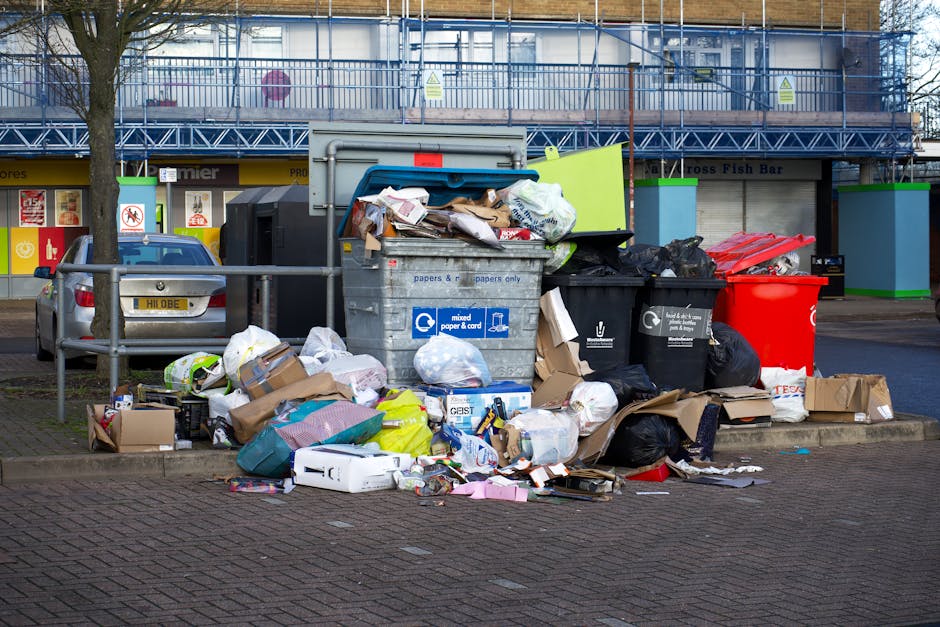
Rubbish management is not just about keeping the place tidy. For landlords, it affects how the property is presented, how quickly it can be re-let, and whether you run into avoidable friction with tenants or neighbours. On a busy stretch like Ballards Lane, there is often little patience for overflowing bins, bags left on the pavement, or furniture dumped outside the front door. Fair enough, really.
When rubbish is left unchecked, it can create a chain reaction. A small amount of waste becomes an unpleasant smell. A bulky item attracts attention. Then a neighbour complains, a letting agent has to chase, and the property starts to look neglected. That is usually when costs rise, because you are paying not only for removal, but for delay, stress, and sometimes extra callouts.
Landlords also have a practical duty to protect the condition of the property. That does not mean you must clear every item yourself. It does mean you need a reliable approach, especially at the end of a tenancy or after a renovation. If you want broader local context around property ownership and planning in the area, the article on top tips for buying real estate in Finchley is a useful companion read.
There is another reason this matters: tenant experience. People notice when the property is well-run. A clean entrance, tidy garden, and organised waste collection system send a clear message that the home is maintained properly. That can reduce complaints before they start. Honestly, that quiet bit of trust is worth a lot.
How Ballards Lane house rubbish collection tips for landlords Works
At a basic level, rubbish collection for landlords follows a simple sequence: identify the waste, separate what can stay from what must go, arrange the right type of collection, and leave the property ready for the next stage. The detail is where things either go smoothly or turn into a faff.
For a standard house in the Ballards Lane area, the process usually falls into one of these situations:
- End-of-tenancy clearance: tenants have left behind unwanted items, bin bags, or broken furniture.
- Pre-let preparation: the house needs to be cleared before cleaning, decorating, or viewing.
- Refurbishment waste: old fixtures, packaging, or light builders' debris need to be removed.
- Garden and outside space waste: hedge cuttings, broken pots, or garden furniture cluttering the yard.
Each situation needs a slightly different response. A few bags of general rubbish might be handled quickly. A full house clearance, on the other hand, needs planning, access checks, and sometimes a wider service like house clearance in Finchley if the volume is significant.
A sensible landlord process also includes basic sorting. Separate electrical items, reusable furniture, general waste, and anything that may need extra care. You do not want a mixed pile causing delays on the day of removal. And no, the answer is not to shove everything into one room and hope for the best. That rarely works out.
Key Benefits and Practical Advantages
Good rubbish collection planning gives landlords more than a cleaner property. It supports the whole letting cycle. You can view it as one of those small systems that quietly protects rentability.
- Faster turnaround between tenancies: less time waiting for clearance means fewer empty days.
- Better first impressions: clean homes photograph better and feel more cared for during viewings.
- Lower complaint risk: tidy waste areas reduce neighbour frustrations and tenant disputes.
- Improved safety: fewer trip hazards, sharp edges, or blocked pathways.
- Cleaner handover records: a proper before-and-after process makes disputes easier to handle.
- Reduced "hidden mess": lofts, sheds, and under-stair areas are less likely to be overlooked.
There is also a financial angle. When clearance is planned, you can compare options and avoid paying emergency rates for urgent removal. For landlords who like to keep a close eye on budgets, it may help to review the service pages for the available rubbish removal services and pricing and quotes before booking anything in a rush.
To be fair, the biggest benefit is peace of mind. You know the property is ready. You know you have not missed anything obvious. That is a nicer way to run a portfolio than firefighting every time a tenancy ends.
Who This Is For and When It Makes Sense
This guidance is for landlords who manage one house or several, and for agents or property managers handling Ballards Lane properties on their behalf. It is especially useful if you are dealing with family lets, shared houses, student-style occupancy, or homes that regularly see bulky household waste build up in sheds, front gardens, or side returns.
It makes most sense when any of the following apply:
- the tenancy is ending and you expect leftover items
- the tenant has already moved out but not fully cleared the property
- you need the house ready for cleaning, repair work, or photos
- there is a risk of items being left on the pavement or near communal bins
- the property includes a garden, garage, basement, or loft that collects clutter
It also matters if you are dealing with mixed waste. A landlord may find old curtains, broken shelving, a stained mattress, garden waste, and packaging all in one go. That mix is common enough, and it is exactly where a clear plan saves time.
If your property is closer to a more general end-of-occupancy cleanout, you may also find the local guide on Finchley Central N3 rubbish collection helpful for understanding how local household clearances are approached.
Step-by-Step Guidance
A good rubbish collection workflow does not need to be complicated. It just needs to be consistent. Here is a practical approach that works well for landlords and keeps awkward surprises to a minimum.
- Inspect the property properly. Do not just check the main rooms. Look in cupboards, under beds, behind sheds, in loft spaces, and around the garden.
- Photograph what is there. A simple visual record helps with tenant discussions and gives you a baseline before work starts.
- Sort items by type. General waste, reusable items, electrical goods, garden waste, and bulky furniture should be separated where possible.
- Decide what needs removal now. Some things can wait. Broken, smelly, or obstructive items usually should not.
- Choose the right disposal method. Small waste bags, larger domestic clearances, and mixed bulky waste are not all the same job.
- Schedule collection at the right point. Ideally, rubbish should be removed after the tenant has vacated but before deep cleaning and repairs.
- Check access. Make sure there is room for loading, parked vehicles, and safe movement through hallways or side passages.
- Confirm completion. Walk the property again after removal. It sounds obvious, but people miss things. Even experienced landlords do.
When properties have a mix of indoor and outdoor waste, it can be useful to deal with garden clutter separately. A dedicated service such as garden waste removal in Finchley can keep soil, branches, and cuttings out of the main clearance pile, which makes the whole job neater and faster.
A small but important note: if there are signs of hazardous material, sharp breakage, or items that need special handling, stop and assess rather than pushing ahead blindly. That is where a landlord can save themselves a headache later.
Expert Tips for Better Results
After a while, you start to see the same patterns. A few simple habits make all the difference.
1. Build clearance into the tenancy end process.
Do not treat rubbish removal as an optional extra. Put it into your standard move-out checklist so it happens every time.
2. Use one point of contact.
If the tenant, cleaner, contractor, and letting agent all speak separately, details get muddled. One person should own the clearance plan.
3. Separate "keep," "remove," and "unsure".
This tiny three-box method works surprisingly well. It prevents useful items being thrown away by mistake.
4. Clear the worst items first.
Large furniture, food waste, damp materials, or broken items can block access and create smells. Deal with those first. Your nose will thank you.
5. Think about the next tenant's first impression.
A freshly cleared home feels lighter. You notice it when you walk in; the place suddenly breathes again. That matters in a viewing.
6. Keep receipts and notes.
For landlords, records matter. If there is ever a deposit dispute or a question about condition, documentation helps more than memory.
One more thing: if you regularly manage larger jobs, it helps to keep trusted service information close at hand. Pages like waste removal in Finchley and rubbish collection in Finchley can be useful reference points when you need to compare clearance types or plan ahead.
Common Mistakes to Avoid
Most rubbish problems for landlords are avoidable. The trouble is, they often start with a small shortcut that seemed harmless at the time.
- Leaving clearance until after decorating starts. That is backwards. Remove rubbish first, then clean and decorate.
- Assuming tenants will sort everything perfectly. Some will. Many won't. Plan for mixed waste.
- Ignoring the garden and side access. Outdoor clutter gets forgotten more often than living-room waste.
- Forgetting lofts, cupboards, and sheds. These spaces are classic hiding places for forgotten items.
- Using the wrong disposal method for bulky items. A few bin bags are one thing; a mattress, wardrobe, and old white goods are another.
- Not checking what has been left behind before the cleaners arrive. That just creates double work.
- Failing to document the condition. Without photos, disputes become messy very quickly.
There is also the classic landlord mistake of trying to do everything in one frantic afternoon. It feels efficient right up until the van is blocked in, someone finds a second pile in the loft, and the day unravels. Happens more than people admit.
Tools, Resources and Recommendations
You do not need much to manage rubbish well, but the right basic tools keep the process neat.
- Moving sacks or heavy-duty bags: for ordinary household waste and lighter items
- Labels or marker pens: for separating keep/remove/unsure piles
- Camera phone: for before-and-after photographs
- Gloves and sturdy footwear: simple safety essentials
- Notepad or digital checklist: to avoid forgetting cupboards, lofts, and garden spaces
- Access notes: useful for narrow hallways, back gates, or shared entrances
If you are comparing broader support options, you may want to look at the wider services overview alongside house clearance and any specialist clearance help that fits the property type. It is often easier to decide once you can see the options side by side.
For landlords who also manage refits or small improvements, a service like builders waste disposal in Finchley may be relevant after repair work, while office clearance in Finchley is helpful only where the property setup genuinely fits that use. Choose the job, not the label. Simple as that.
Law, Compliance, Standards, or Best Practice
Landlords should always treat waste carefully and in line with normal UK best practice. You do not need to become a compliance expert, but you do need to avoid casual handling of rubbish that could create legal or neighbour issues.
At a practical level, that means:
- not leaving waste where it could obstruct pavements, entrances, or shared access
- making sure rubbish is removed by a legitimate, appropriate service
- keeping records of what was cleared and when
- taking extra care with electrical items, sharp waste, and anything that might need specialist handling
- being mindful of tenant belongings and any process needed before disposal
If you are managing a tenancy change, it is sensible to keep the inventory, written communication, and photographs aligned. That way, if a tenant disputes what was removed, you have something solid to refer back to. Not glamorous, but incredibly useful.
Landlords should also be aware of local expectations around cleanliness and nuisance. In a busy residential street, even a short-lived pile of rubbish can become an issue if it is left too long. Best practice is usually to remove waste promptly and avoid the kind of "I'll sort it tomorrow" approach that becomes next week's problem.
For wider reassurance on how the business approaches trust and safe working, you can also read the site's insurance and safety information, plus the pages on recycling and sustainability and about us if you want a clearer sense of standards and working values.
Options, Methods, or Comparison Table
Different properties need different methods. A compact one-bedroom rental and a larger family house on Ballards Lane are not going to generate the same rubbish profile, and that matters when planning.
| Method | Best for | Pros | Watch-outs |
|---|---|---|---|
| Regular bin collection | Light everyday waste | Simple, familiar, low effort | Not suitable for bulky or leftover tenancy waste |
| DIY landlord clearance | Small, manageable loads | Flexible and can be budget-friendly | Time-consuming, physically demanding, easy to underestimate |
| General rubbish removal | Mixed household waste and bags | Faster than doing it yourself, better for turnover | Needs proper sorting and access planning |
| House clearance | Large end-of-tenancy or inherited contents | Useful for full-property resets | May be more involved than a simple collection |
| Builders waste disposal | Repair and refurbishment debris | Keeps works moving and the site safer | Not for ordinary household junk alone |
If you are unsure which route fits, think in terms of volume, urgency, and the type of material. That tends to give a clearer answer than trying to guess from the item count alone.
For local reading that connects home ownership with neighbourhood context, the article on the allure of Finchley in London is a nice background piece, while Finchley resident experiences gives a sense of day-to-day local living. Different angle, same area. Useful to keep in mind if you manage rental stock here.
Case Study or Real-World Example
Picture a landlord with a two-storey house near Ballards Lane. The tenant has moved out on a Friday, and the new tenancy is due the following week. The living room is mostly clear, but the loft still has old boxes, the shed contains broken shelving, and the back garden has a pile of cuttings from a small tidy-up the tenant started and never finished.
Without a plan, that property becomes a scramble. The cleaner arrives too early, the decorator cannot start, and the viewings slip. But with a basic process, the job is straightforward: photograph the rooms, sort the loft items, separate the garden waste, and book the right type of removal before anything else begins. The end result is a house that can be cleaned, checked, and re-let on time.
What stood out in that kind of scenario is usually not the amount of rubbish. It is the hidden bits. The little pile in the shed. The awkward bag behind the back door. The old lampshade in the upstairs cupboard. Those are the details that cause the delay, and they are exactly why a landlord checklist matters.
Sometimes the difference between an easy changeover and a messy one is a single ten-minute inspection. That's not an exaggeration, just the boring truth.
Practical Checklist
Use this checklist before and after collection to keep things tidy and avoid missed items.
- Inspect every room, cupboard, loft, shed, and outdoor area
- Photograph the property before any clearance work begins
- Confirm which items belong to the tenant and which are the landlord's responsibility
- Separate general waste, bulky items, garden waste, and anything electrical
- Remove or protect valuable items before workers arrive
- Check access for loading, parking, and safe movement
- Book clearance before cleaning and decorating
- Keep notes of what was removed and when
- Walk through the property after collection
- Make sure the property is ready for the next stage, not just "mostly okay"
If you want to compare service pathways before booking, the pages for rubbish collection and waste removal can help you think through the most suitable option for the property's condition.
Conclusion
For landlords, rubbish collection is rarely the headline issue. But it quietly affects almost everything else: turnaround time, presentation, safety, tenant satisfaction, and the smooth handover from one occupancy to the next. If you manage a property near Ballards Lane, a simple, repeatable process is one of the best tools you have.
The best results come from planning early, sorting waste properly, documenting what is there, and choosing the right kind of clearance for the job. Do that consistently, and rubbish stops being an emergency. It just becomes part of the routine, which is exactly where it belongs.
Get a free quote today and see how much you can save.
And if you are still refining your landlord routine, take the steady route. A well-kept house always feels easier to manage, and frankly, it shows. Little by little, that makes a big difference.

 Tipper Van - Rubbish Removal and Garden Junk Disposal Prices in Fincley, N2
 Luton Van - Rubbish Removal and Garden Junk Disposal Prices in Fincley, N2